
In 1806, President Thomas Jefferson closed out his sixth annual address to Congress with an encouragement to Congress to press down on the path to military preparedness. America had concluded the war in Tripoli and there was a sense of peace at home, but the nations of Europe were embroiled in war. As Jefferson explained, "we can not rely with certainty on the present aspect of our affairs". It had been only 16 years since George Washington was first inaugurated as President, and the United States could find itself at war with the major powers of the world at any time. In these short years, America was beginning to build a military, but Jefferson warned that we must not be reactive. We must make every "reasonable provision" to prepare for whatever may come our way, but we can not expect "armies to be raised whenever a speck of war is visible in our horizon". If we did this, we would never be without them and our resources would be exhausted trying to stop dangers that may never come to fruition. Worse, we would be unable to react to real dangers that we face. Instead, America needs to move at a "steady, perhaps a quickened, pace" It may help us to understand Jefferson's perspective when Jefferson spoke of a "steady, perhaps a quickened, pace" by reviewing a bit of military history . Here is a time line of military preparedness policies (as delivered in a state of the union address) from 1790 to 1806.
1790 Washington proposes a well regulated Militia.
1798 Congress authorizes a provisional army of 20,000 men for protection against an invasion.
1799 Congress authorizes the building of six public armed vessels to fight in the Quasi-War.
1800 John Adams signs a treaty with France recognizing American neutrality. Quasi war ends.
1801 Congress authorizes 6 ships to protect American commerce along the Islamic Barbary Coast.
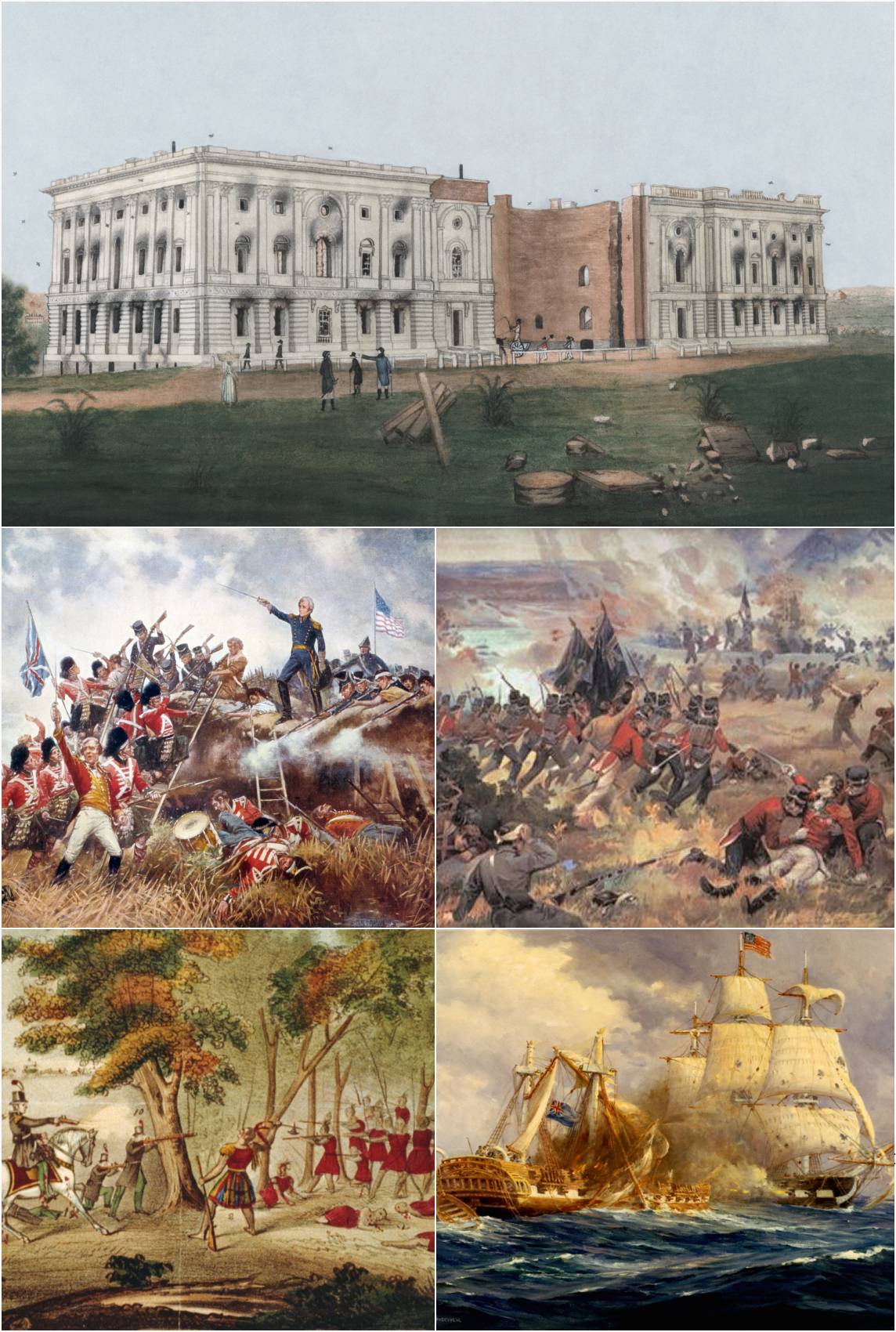
These policies were all fresh in the minds of Congress when Jefferson brought them all together into one cohesive plan. With a quick and steady pace we were defending our sea port towns and waters, building the most organized and effective militia, augmenting it with a strong voluntary force, and never preying on our own resources until actually called into use. America could not sit idly by and watch, so much rested upon the "promptitude with which these means can be brought into activity". It had been only 16 short years, but America had only a few more before we would be tested by the War of 1812.
Here is the full except of Jefferson's sixth annual address on his plan:
"This, fellow citizens, is the state of the public interests at the present moment and according to the information now possessed. But such is the situation of the nations of Europe and such, too, the predicament is which we stand with some of them that we can not rely with certainty on the present aspect of our affairs, that may change from moment to moment during the course of your session or after you shall have separated.
Our duty is, therefore, to act upon things as they are and to make a reasonable provision for whatever they may be. Were armies to be raised whenever a speck of war is visible in our horizon, we never should have been without them. Our resources would have been exhausted on dangers which have never happened, instead of being reserved for what is really to take place. A steady, perhaps a quickened, pace in preparation for the defense of our sea port towns and waters; an early settlement of the most exposed and vulnerable parts of our country; a militia so organized that its effective portions can be called to any point in the Union, or volunteers instead of them to serve a sufficient time, are means which may always be ready, yet never preying on our resources until actually called into use. They will maintain the public interests while a more permanent force shall be in course of preparation. But much will depend on the promptitude with which these means can be brought into activity. If war be forced upon us, in spite of our long and vain appeals to the justice of nations, rapid and vigorous movements in its outset will go far toward securing us in its course and issue, and toward throwing its burthens on those who render necessary the resort from reason to force."
http://www.presidency.ucsb.edu/ws/index.php?pid=29448
https://upload.wikimedia.org/wikipedia/commons/f/fc/War_of_1812_Montage.jpg
https://upload.wikimedia.org/wikipedia/commons/f/fc/War_of_1812_Montage.jpg
No comments:
Post a Comment